FitFormulaHub.com
 Healthy Home Meals for Beginners: Mastering Weight Loss Nutrition
Embarking on a weight loss journey can seem daunting, especially for beginners. One of the most effective strategies in losing weight and maintaining it is by mastering the art of preparing healthy home meals. This approach not only helps in controlling what goes into your food but also enables you to embrace a sustainable, health-forward lifestyle. In this comprehensive guide, we’ll explore essential tips and strategies for crafting delicious, nutritious meals at home that support your weight loss goals.
Understanding the Basics of Weight Loss Nutrition
The foundation of weight loss is simple: consume fewer calories than you burn. However, understanding the nutritional content of your meals is crucial. A balanced diet rich in vegetables, fruits, lean proteins, and whole grains can help you feel fuller for longer, reduce calorie intake, and provide essential nutrients. Here, we will discuss how to balance macronutrients and choose whole foods over processed ones for effective weight loss.
1. Balance Your Macronutrients
Macronutrients include carbohydrates, proteins, and fats. Each plays a unique role in your body:
- Carbohydrates: Opt for complex carbs like whole grains, which provide sustained energy and fiber.
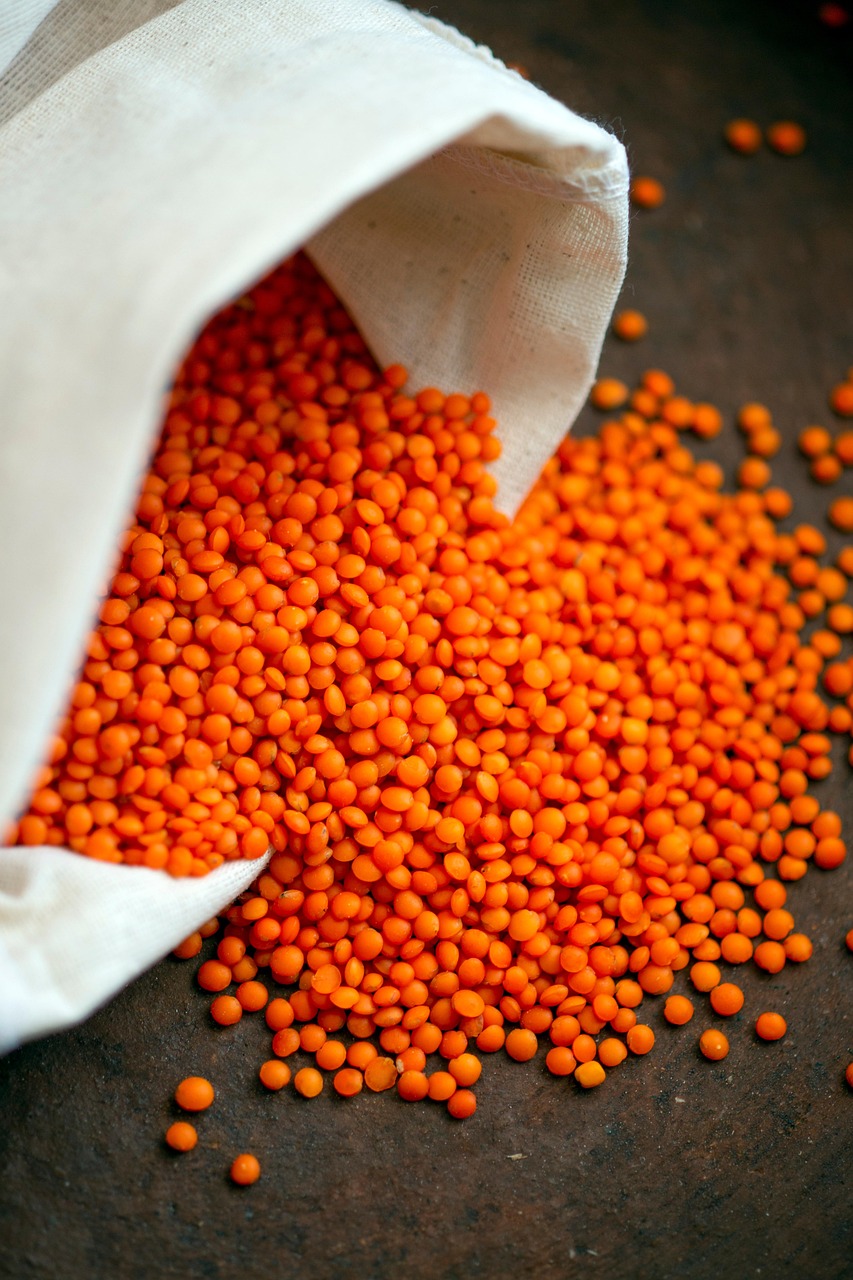
- Proteins: Essential for muscle repair and growth, lean sources of protein such as chicken, fish, and plant-based options like lentils should be a staple in your diet.
- Fats: Healthy fats, such as those found in avocados, nuts, and olive oil, are crucial for brain health and satiety.
2. Choose Whole Foods Over Processed Foods
Processed foods are often high in unhealthy fats, sugars, and calories, which can hinder weight loss. Whole foods, on the other hand, undergo minimal processing, retaining more nutrients and fiber which help in weight management.
Planning Your Meals for Weight Loss
Meal planning is a powerful tool that ensures you have healthy ingredients on hand to prepare nutritious meals throughout the week. This section will guide you through setting up a meal plan that not only supports your weight loss goals but also fits into your lifestyle.
1. Start with a Meal Plan
Create a weekly meal plan by deciding in advance what you’ll eat for each meal and snack. This helps avoid last-minute unhealthy choices. Use tools like meal planning apps or simple pen and paper to track your plan.
2. Shop Smart
Armed with your meal plan, create a shopping list focusing on fresh produce, lean proteins, and whole grains. Stick to your list to avoid impulse buys that might not align with your weight loss goals.
3. Prep in Advance
Meal prepping can save time and reduce stress throughout the week. Prepare and store large batches of staples like cooked grains, chopped vegetables, or marinated proteins. This makes assembling meals quick and easy.
Cooking Techniques That Retain Nutrient Integrity
The way you cook your foods can significantly influence their nutritional content. Here, we will look at some healthy cooking techniques that maintain or even enhance the nutrient value of your ingredients.
1. Steaming and Boiling
These methods do not require fat and preserve the most nutrients. Steaming vegetables, for example, retains more vitamins than frying.
2. Grilling and Baking
Grilling and baking allow fat to drip away from the food and help retain the flavor and texture without adding extra fat or calories.
3. Sautéing and Stir-frying
Use a small amount of healthy oil or broth, and cook quickly over high heat to retain flavors and nutrients in vegetables and lean meats.
Incorporating Variety and Enjoyment Into Your Diet
Eating the same foods can lead to boredom and derail your weight loss efforts. It’s important to incorporate variety into your diet to keep your meals interesting and nutritionally balanced.
1. Try International Cuisines
Experiment with recipes from different cultures which often incorporate a diverse range of vegetables, spices, and grains.
2. Seasonal and Local Produce
Seasonal fruits and vegetables are not only fresher and more nutritious but trying local produce also supports sustainable practices and can introduce new, exciting options into your meal planning.
3. Healthy Swaps
Incorporate healthy alternatives in your recipes. Use Greek yogurt instead of sour cream, spiralized vegetables in place of noodles, or herbs to flavor dishes instead of salt.
Frequently Asked Questions
1. How many calories should I eat to lose weight?
The number of calories needed for weight loss differs for each individual based on factors such as age, sex, weight, and activity level. Generally, reducing caloric intake by 500 to 1000 calories per day can lead to a safe weight loss of one to two pounds per week.
2. Can I eat carbs and still lose weight?
Yes, you can eat carbs and still lose weight. Focus on whole grain options and balance your intake with lean proteins and healthy fats.
3. Are snacks okay when trying to lose weight?
Healthy snacks can actually help manage hunger and prevent overeating at meal times. Choose snacks rich in fiber and protein, such as a small handful of nuts or a piece of fruit.
Mastering the art of preparing healthy home meals can significantly contribute to your weight loss efforts. It enhances your understanding of nutrition, gives you control over your ingredients, and helps develop cooking skills that benefit your health. Start simple, be consistent, and watch your kitchen transform into a cornerstone of your weight loss journey.